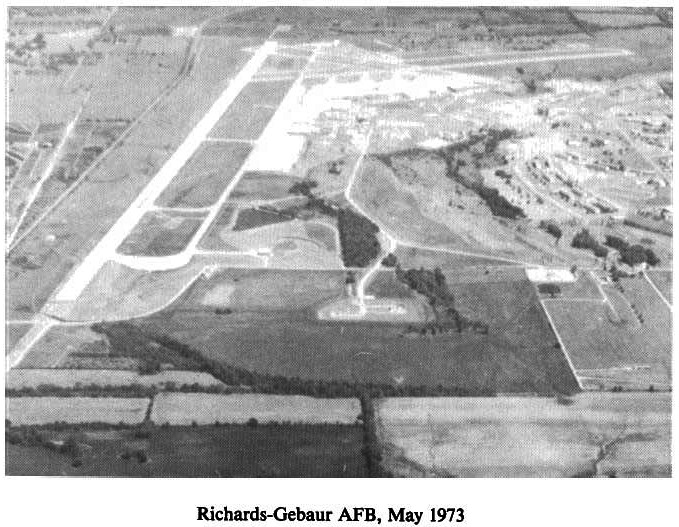
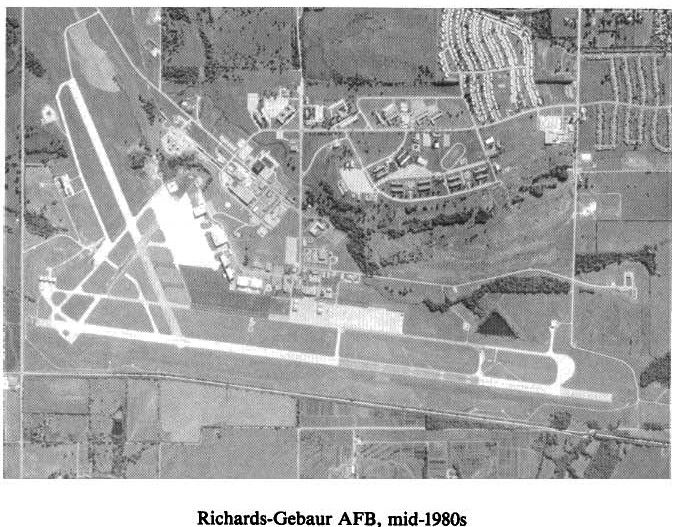
Richards-Gebaur Air Force Base, Missouri
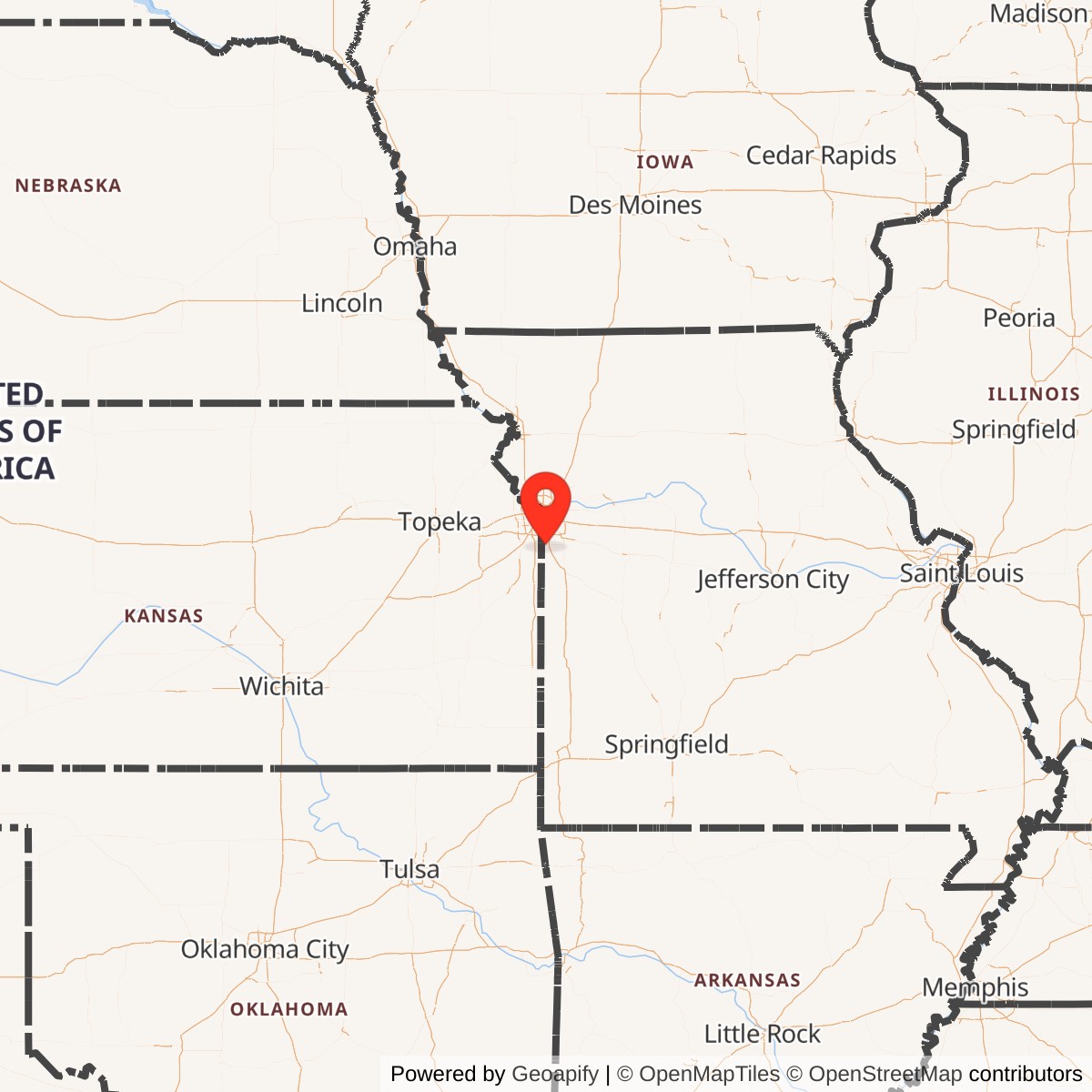
Longitude: -94.5606
Origin of current name: Named in honor of Kansas City natives Ist Lt John Francisco Richards IT (1894-1918) and Lt Col Arthur William Gebaur, Jr (1919-1952). Lieutenant Richards's Nieuport was shot down on 26 Sep 1918 during an artillery surveillance mission on the first day of the Argonne Offensive. Colonel Gebaur's F-84 was shot down in North Korea on 29 Aug 1952 during a low-level bombing run.
Date current name was assigned to base: 27 Apr 1957
Previous Names: Grandview Airport, Mar 1944; Grandview Air Force Base, 1 Oct 1952
Major Changes in Status: Auxiliary of Sedalia AAFld, MO, 15 Aug 1944-Ang 1945; surplus, 13 Dec 1945; transferred to Army Division Engineers, 1 Mar 1946, Leased from City of Kansas City, MO, 1 Jan 1952; USAF accepted responsibility for land and buildings, Jan 1953; operational control to AFRES, 1 Oct 1977.
In 1952, the United States Air Force acquired the land near the intersection of Interstate-49 and Highway 150. It would become known as the Richards-Gebaur Air Force Base. At its height, the base employed 5000 people and the surrounding population more than doubled.
The City of Kansas City built Grandview Airport in 1941. During World War II, the United States Army Air Forces I Troop Carrier Command built a facility on part of the airfield in 1944 which was used as a sub-base for Sedaila AAF (later Whiteman Air Force Base) for overflow traffic and training uses. The main USAAF unit at Grandview was the 813th AAF Base Unit. After the war, the AAF facility was turned over to Continental Air Forces with C-46s occasionally using the field until it was closed in November 1945. The airfield was declared surplus on 13 December 1945 and was transferred to Army Division Engineers on 1 March 1946 for disposal.
U.S. Air Force Use
As a result of the Cold War military buildup, Grandview Airport was leased by the United States Air Force on 1 January 1952. After some construction and upgrading of facilities, Grandview Air Force Base was opened on 1 October 1952, with the 4610th Air Base Squadron being the base operating unit (operating from Fairfax Field in Kansas City, Kansas). No military personnel were assigned prior to 1954 while major construction took place of runways, taxiways, aprons and support facilities.The first major use for the base was Air Defense Command, which used the base as a command and control headquarters. HQ, Central Air Defense Force was established on 24 February 1954, along with HQ 20th Air Division (Defense) on 8 October 1955. The first flying unit was the 328th Fighter Group, with its 326th Fighter Squadron being equipped with F-86 Sabres.
In 1957, the 4620th Air Defense Group was activated at Richards-Gebaur. The 4620th was a SAGE unit, which operated the Semi Automatic Ground Environment RADAR system for ADC. SAGE was an automated control system used by ADC and later NORAD for collecting, tracking and intercepting enemy bomber aircraft. It could also automatically direct aircraft to an interception by sending commands directly to the aircraft's autopilot.
As the threat of Soviet air attack diminished during the 1960s, the Air Defense presence at Richards-Gebaur was reduced. The F-106 equipped 71st Fighter-Interceptor Squadron departed in 1968, ending the ADC interceptor presence on the base. On 1 July 1970, the base was turned over to the Air Force Communications Service, with HQ AFCS establishing its headquarters on the base. HQ AFCS moved to Scott Air Force Base, Illinois in 1980.
Along with the Air Defense and Communications mission, the Military Air Transport Service (later Military Airlift Command) begin using the base in 1955 as a reserve troop carrier unit facility under the 2472nd Air Force Reserve Training Wing. C-119 Flying Boxcars and later C-123 Provider cargo and transport aircraft were flown by the 442d Troop Carrier Wing under various designations until finally being reassigned in 1982 to Whiteman AFB, although the unit did use Richards-Gebaur again from 1984 until 1994. MAC assumed control of the base in 1977 and also assigned the Air Force Reserve 935th and 936th Troop Carrier groups to the base for training flying C-130 Hercules aircraft.
On 1 October 1980, the USAF turned over Richards-Gebaur to the Air Force Reserve, ending it's use as a front-line base. Its flightline was was opened to civilian use and was named Richards-Gebaur Airport, with the Air Force Reserve being a tenant on the facility. The last military aircraft departed the facility on 12 June 1994, ending USAF use of Richards-Gebaur.
Civil Use
After a Federal Aviation Agency memo in the early 1960s declared that the city's Kansas City Downtown Airport was the most unsafe major airport in the country, the city considered relocating its main airport to the airport. However, they ended up relocating north of the city at Kansas City International Airport.The airport runway 18/36 had a 9000 foot runway with a 1000 foot over run on each end.
Between 1983 and 1997 the city of Kansas City lost $18 million on the airport. In 1998, the FAA approved a plan to close the airport. In 2001 the 8th U.S. Circuit Court of Appeals upheld the decision to close the airport in a suit brought by Friends of Richards-Gebaur Airport of Grandview, Missouri.
The former airport is now used as the Kansas City SmartPort for Kansas City Southern Railroad to ship cargo to and from Mexico.
Richards-Gebaur AFB was a very nice well kept facility with modern updates including new BaseExchange prior to 1976. The golf course had been expanded and was top grade. The base even had a saddle club that included the best arena in the southern KC area. The RG Saddle Club was host to many horse shows and events including the Golden Circle Horse Show circuit. With a youth center and even a airman's club the base had a lot to offer to the active duty personnel their families and the retired that lived in the area. Today the facility is essentially abandoned, with the buildings and flightline in a deteriorating state.
The main user of the base is the United States Army Reserve 308th Tactical Psychological Operations Company. The Army has upgraded the buildings it uses and uses some of the old USAF hangars for storage. Most of the ADC facilities still exist, the alert hangars and pads remain, although the runway and taxiways are deteriorating.
Today, the land is home to the I-49 Industrial Center, Kansas City Southern, the NNSA, and many small industrial businesses at Port KC's Richards-Gebaur Commerce Park.
The Richards-Gebaur Airport officially closed as an airport at 11:59 pm Sunday, January 9, 2000. The last plane to depart from the airport was a Saberliner-40 jet.